5
Zee Naja -
a year ago
(Translated by Google) The Shiva Hall, an important archaeological site in the Brahmin religion of Nakhon Si Thammarat
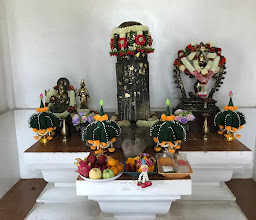
At the south side of the present Shiva Hall There is also another Brahmin temple shrine. Which the Brahmin temple The latter is very important because It houses various bronze statues such as Shiva Nataraj, Uma, Ganesh and swan. Which dates from the 18th to the 25th century Buddhist
Today the images are preserved in the National Museum. Nakhon Si Thammarat
..........
A record that mentions the past
The grounds of the missing Brahmin Temple and the Shiva Hall are mentioned in the archives of many important people as follows:
...
In the book Of Her Royal Highness Princess Maha Chakri Sirindhorn Chaofa Phanurangsawangwong Krom Phraya Phanthuwongvoradej He described the condition of the Shiva Hall and the shrine in 1884 as follows: " Is where the Brahmins lived In the courtyard of the church there was a giant swing, about 3 meters high, at the temple there were many white brahmins ... "
...
In the archives of King Chulalongkorn, King Chulalongkorn visited Malaya in R.S. 107 and 108 at the time of his visit to Nakhon Si Thammarat in R.S. 107 between the day of the 6th rises of the lunar month, 10 to Friday, the lunar month 10
Has appeared in one episode that "... Thursday, 10th month, up 8 evening, came on a trip in Nakhon Si Thammarat city where the temple was on the two sides of the way that entered It is a place of Lord Shiva. And came waiting to receive the blessing at that place ... "
...
In the archival of the distance to the Malayan civil service, Rs 121 of King Boromwong her, Prince Krom Phraya Narisaranu, Wat Tiwong He described the characteristics of the Shiva Hall and the Temple in 1902 as "... the Shiva places are located close to each other in two levels as well. The inside is a church. The outer layer is a thatched lattice plant. There is an image of brass. That is, Shiva stepped on Muglani 1, Uma 1, Ganesh standing 1, a broken tailed swan, the deity disappeared, leaving only the throne 1, all good old ... "
...
In the archives of King Rama VI Went along the southern provinces of the martyrs (1915), it appears that one episode "... Monday, July 12, 1915, was the commencement of the Phra Mahathat ceremony, when he went back from Wat Phra Mahathat, near the pavilion, where he waited for the royal carriage. Bestowed incense, candles and offerings to the brahmin to worship the deity Shiva Vishnu Which had shrines in the north wall And therefore proceeded to travel to the royal camp tabernacle
...
The present condition of the original shrine has decayed over time and has been discontinued. After that, the idol group temporarily moved into the Shiva Hall. And then the National Museum is afraid it will be lost Therefore moved to be preserved in the exhibition room of the museum By casting a model to replace in the Shiva Hall
The present-day Phra Shiva Hall is a rectangular building, 6.50 meters wide, 8.50 meters long, 9 meters high from the base, made of brick and mortar, individual elevation, the building is 4.20 meters wide and 8.90 meters long in front of the building with solid walls on both sides with windows on each side. 1 front compartment is 1 door, surrounding is a wooden balcony, 1.30 meters from the wall, the roof is Thai-style. Thatched clay tiles With hibiscus and raka tail The front porch descends downward.
...
Giant Swing, Nakhon Si Thammarat It is said to be replicated from the Giant Swing in Bangkok. Which is quite small in size From the old photos, you can see that when there was still a shrine The Giant Swing is located to the northeast of the Shiva Hall. Information that it quit in 1925 and the Fine Arts Department restored it in 1966 with the Shiva Hall. (But I have no information on how the Giant Swing has been at the original temple location)
...
The latest excavations and restoration from 2015 to 2017 have unearthed the base of the original temple building around Sao Chingcha. Then moved the Giant Swing to the same location as the old photo And cover the holes in 2018
...
Nowadays, this Brahmin chapel has been restored again.
(Original)
หอพระอิศวรโบราณสถานสำคัญในศาสนาพราหมณ์ของเมืองนครศรีธรรมราช
ณ ด้านใต้ของหอพระอิศวรปัจจุบัน ยังมีเทวสถานโบสถ์พราหมณ์อยู่อีกหลังหนึ่ง ซึ่งโบสถ์พราหมณ์ฯ หลังนี้สำคัญมากเพราะ เป็นที่ประดิษฐานเทวรูปสำริดต่างๆ เช่น พระศิวะนาฏราช, พระอุมา, พระคเณศและรูปหงส์ ซึ่งมีอายุตั้งแต่พุทธศตวรรษที่ 18 ถึง 25
ปัจจุบันเทวรูปได้นำไปเก็บรักษาไว้ในพิพิธภัณฑสถานแห่งชาติ นครศรีธรรมราช
..........
บันทึกที่กล่าวถึงครั้งอดีต
บริเวณเทวสถานโบสถ์พราหมณ์ที่หายไปและหอพระอิศวรมีการกล่าวถึงในจดหมายเหตุของบุคคลสำคัญหลายท่าน ดังนี้
...
ในหนังสือชีวิวัฒน์ ของสมเด็จพระราชปิตุลาบรมพงศาภิมุข เจ้าฟ้าภาณุรังษีสว่างวงศ์ กรมพระยาพันธุวงศ์วรเดช ได้ทรงบรรยายสภาพของหอพระอิศวรและเทวสถานฯ ใน พ.ศ.2427 ใว้ตอนหนึ่ง ดังนี้ "...ข้างโบสถ์ด้านเหนือมีหอมุงกระเบื้องเฉลียงรอบตัวอยู่หลังหนึ่ง เป็นที่พวกพราหมณ์อาศัย ที่ลานโบสถ์นั้นมีเสาชิงช้าอันหนึ่งสูงประมาณ 3 วา ที่เทวสถานนั้นมีพวกพราหมณ์นุ่งขาวอยู่หลายคน..."
...
ในจดหมายเหตุพระบาทสมเด็จพระจุลจอมเกล้าเจ้าอยู่หัวเสด็จประพาสแหลมมลายู คราว ร.ศ.107 แล 108 เมื่อครั้งเสด็จประพาสเมืองนครศรีธรรมราชใน ร.ศ.107 ระหว่างวันที่ วันอังคาร ขึ้น 6 ค่ำเดือน 10 ถึงวันศุกร์ ขึ้น 9 ค่ำเดือน 10
ได้ปรากฏความตอนหนึ่งว่า "...วันพฤหัสบดี เดือน 10 ขึ้น 8 ค่ำ เสด็จประพาสในเมืองนครศรีธรรมราชคือเทวสถานอยู่ 2 ข้างทางที่เข้าไป เปนสถานพระอิศวรสถาน 1 สถานพระนารายณ์สถาน 1 มีพราหมณืซึ่งสืบสกุลมาแต่โบราณอยู่ประจำ แลมาคอยรับเสด็จถวายน้ำสังข์ณที่นั้น..."
...
ในจดหมายเหตุระยะทางไปตรวจราชการแหลมมลายู ร.ศ.121 ของสมเด็จพระเจ้าบรมวงศ์เธอเจ้าฟ้ากรมพระยานริศรานุวัดติวงศ์ ได้ทรงอธิบายลักษณะของหอพระอิศวรและเทวสถานฯ ใน พ.ศ.2445 ไว้ว่า "...สถานพระอิศวรอยู่เคียงกันเปนสองชั้นเหมือนกัน ชั้นในเปนโบสถ์ ชั้นนอกเปนโรงขัดแตะมุงจาก มีเทวรูปทองเหลือง คือพระอิศวรเหยียบมูคลานี 1, พระอุมา 1, พระคเนศยืน 1, หงส์หางหัก เทวรูปหายเหลือแต่บัลลังก์ 1, ของดีเก่าทั้งนั้น..."
...
ในจดหมายเหตุพระบาทสมเด็จพระมงกุฎเกล้าเจ้าอยู่หัว เสด็จพระราชดำเนินเลียบมณฑลปักษ์ใต้ ของสักขี (พ.ศ.2458) ปรากฏความตอนหนึ่งว่า "...วันจันทร์ที่ 12 กรกฎาคม พ.ศ.2458 เป็นวันเริ่มงานสมโภชพระมหาธาตุ ฯ ล ฯ เมื่อเสด็จพระราชดำเนินกลับจากวัดพระมหาธาตุจวนถึงพลับพลาที่ประทับได้รอรถพระที่นั่ง พระราชทานธูปเทียนเครื่องสักการะให้พราหมณ์นำไปบูชาเทวรูป พระอิศวรนารายณ์ ซึ่งมีเทวสถานอยู่ในกำแพงเมืองด้านเหนือ แล้วจึ่งเสด็จพระราชดำเนินสู่พลับพลาค่ายหลวง
...
สภาพปัจจุบัน เทวสถานเดิมผุพังไปตามกาลเวลาและได้ถูกเลิกใช้งานไป หลังจากนั้นได้กลุ่มเทวรูปย้ายมาไว้ในหอพระอิศวรชั่วคราว และจากนั้นทางพิพิธภัณฑสถานแห่งชาติเกรงว่าจะสูญหายไป จึงได้ย้ายมาเก็บรักษาไว้ในห้องจัดแสดงของทางพิพิธภัณฑ์ โดยหล่อรูปจำลองไว้แทนที่ในหอพระอิศวร
หอพระอิศวรในปัจจุบันมีลักษณะเป็นอาคารรูปสี่เหลี่ยมผืนผ้า ขนาดกว้าง 6.50 เมตร ยาว 8.50 เมตร สูงจากฐานประมาณ 9 เมตร ก่ออิฐถือปูนยกพื้นสูงเฉพาะตัวอาคารกว้าง 4.20 เมตร ยาว 8.90 เมตร ด้านหน้าก่อผนังทึบ ด้านข้างทั้ง 2 ข้าง มีหน้าต่างข้างละ 1 ช่อง ด้านหน้าเป็นประตุเข้า 1 ช่อง โดยรอบเป็นระเบียงลูกกรงไม้ ห่างจากผนัง 1.30 เมตร หลังคาเป็นรูปทรงไทย มุงกระเบื้องดินเผา มีหางหงส์และใบระกา ด้านหน้าเป็นมุขลดหลั่นลงมา
...
เสาชิงช้าเมืองนครศรีธรรมราช ว่ากันว่าจำลองแบบมาจากเสาชิงช้าในกรุงเทพมหานครฯ โดยมีขนาดเล็กกว่าอยู่มากทีเดียว จากภาพถ่ายเก่าจะเห็นว่าเมื่อครั้งยังมีเทวสถานฯ อยู่นั้นเสาชิงช้าจะตั้งอยู่ทางทิศตะวันออกเฉียงเหนือของหอพระอิศวร ข้อมูลว่าเลิกไปเมื่อ พ.ศ.2468 และกรมศิลปากรบูรณะขึ้นใหม่ เมื่อ พ.ศ.2509 พร้อมหอพระอิศวร (แต่ผมไม่มีข้อมูลว่าเสาชิงช้ามาอยู่ตรงที่ตั้งเทวสถานเดิมได้อย่างไร)
...
การขุดค้นและบูรณะครั้งล่าสุด ประมาณปี 2558 ถึง 2560 ได้ขุดค้นพบฐานอาคารเทวสถานเดิมบริเวณเสาชิงช้า แล้วจึงได้ย้ายเสาชิงช้ามาตั้ง ณ ที่เดิมตามภาพถ่ายเก่า และทำการกลบหลุมใน ปี2561
...
ปัจจุบันมีการรื้อฟื้นเทวสถานโบสถ์พราหมณ์หลังนี้ขึ้นมาอีกครั้ง